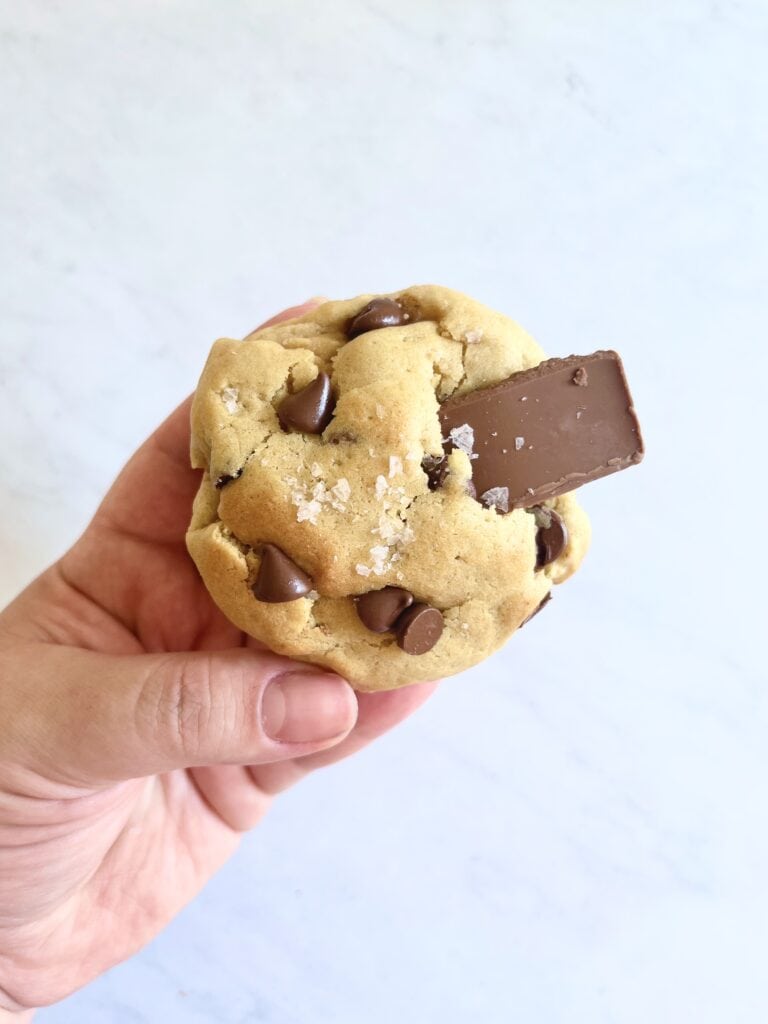
How to Make Stuffed Cookies
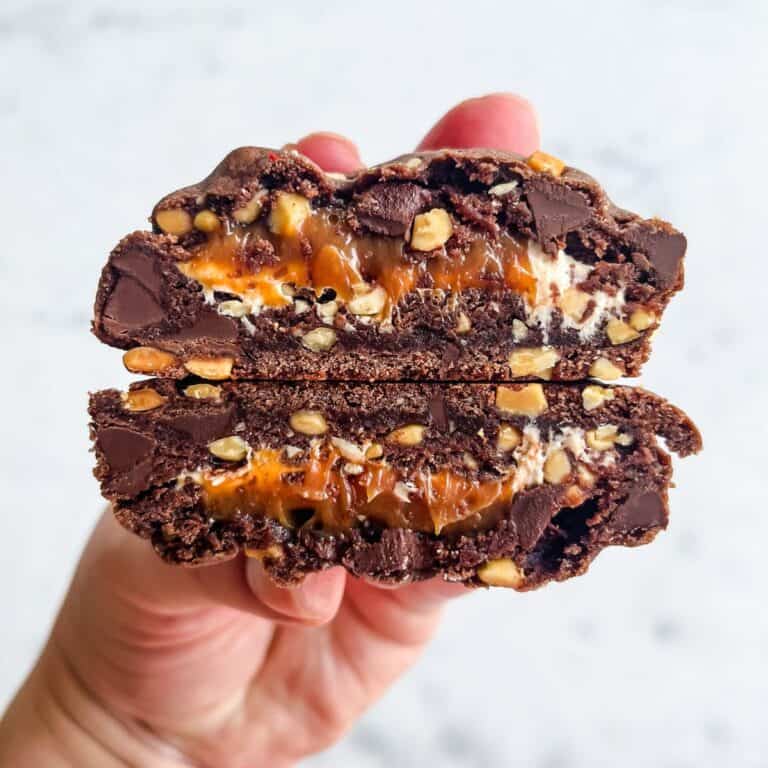
As the baking world evolves, more and more we've been seeing large cookies that have a special filling. It could be a scoop of Nutella, a creamy cheesecake filling or some dulce de leche. No matter what it is, there's something magical about breaking open a warm cookie and finding a surprise inside.
But as any baker knows, learning how to make stuffed cookies takes more than wrapping dough around a filling and hoping for the best. The key is understanding the structure of the dough, the temperature of your ingredients, and the science of how cookies spread and bake.
This guide will walk you through everything you need to know about stuffed cookies, so you can bake them with confidence every time.
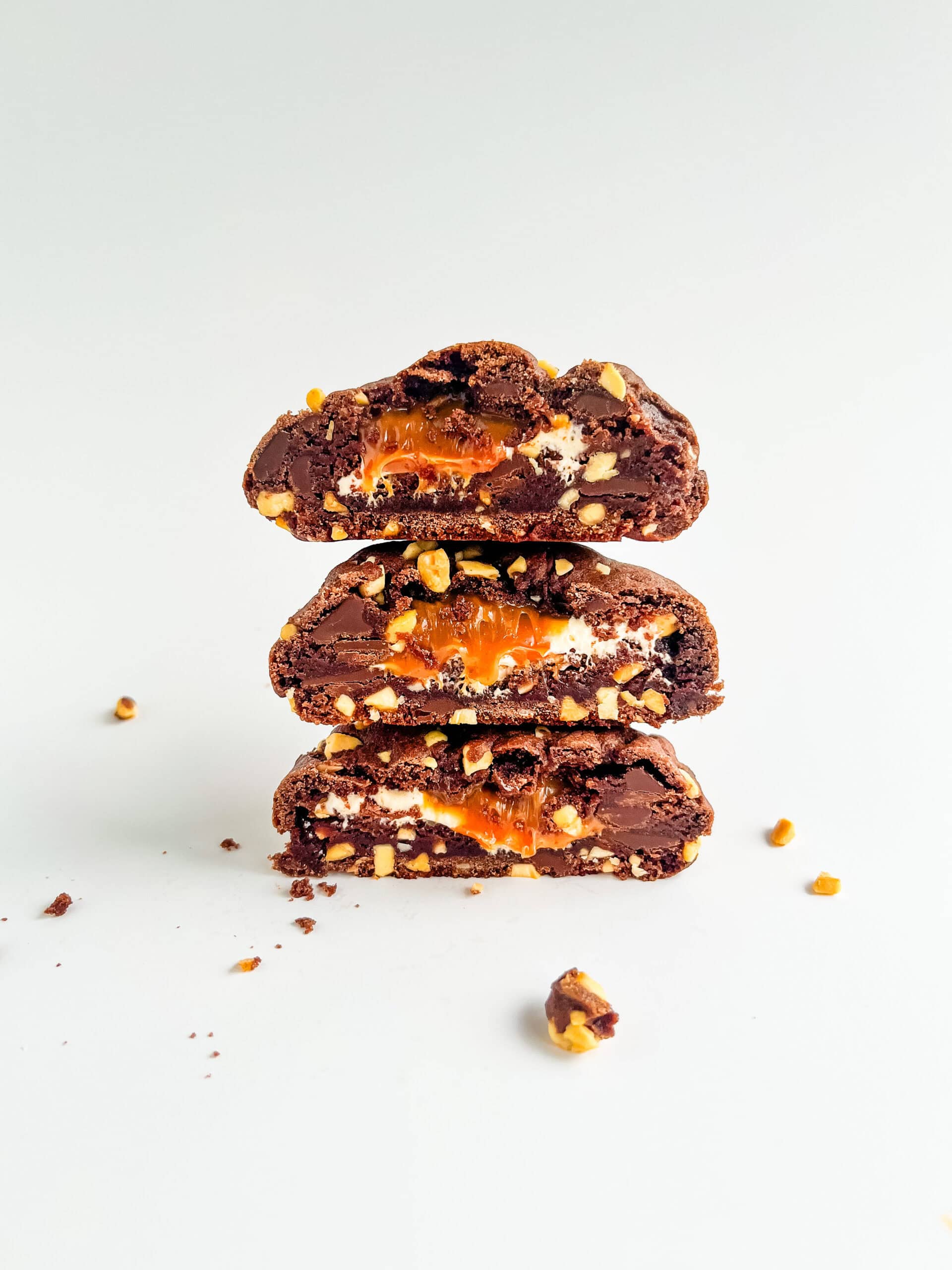
Why Learning How to Make Stuffed Cookies Matters
The challenge with stuffed cookies comes down to the balance of textures. You want the outside to bake fully without the inside seeping out. If the dough is too thin, the filling breaks through. If the dough is too thick, you may end up with an underbaked or bready cookie.
Your cookie has to have the right structure to support the filling (hint: not all recipes will work right off the bat), the ingredients have to be in a certain ratio and it's always a good idea to bake them either from frozen or at least refrigerated overnight.
Step 1: Choosing the Right Cookie Dough
Not all cookie doughs are created equal when it comes to stuffing. Here's what you need to keep in mind when learning how to make stuffed cookies successfully:
- Fat Content: Doughs with higher butter ratios spread more, which can cause fillings to leak. Look for dough that has a lower fat content in comparison to flour.
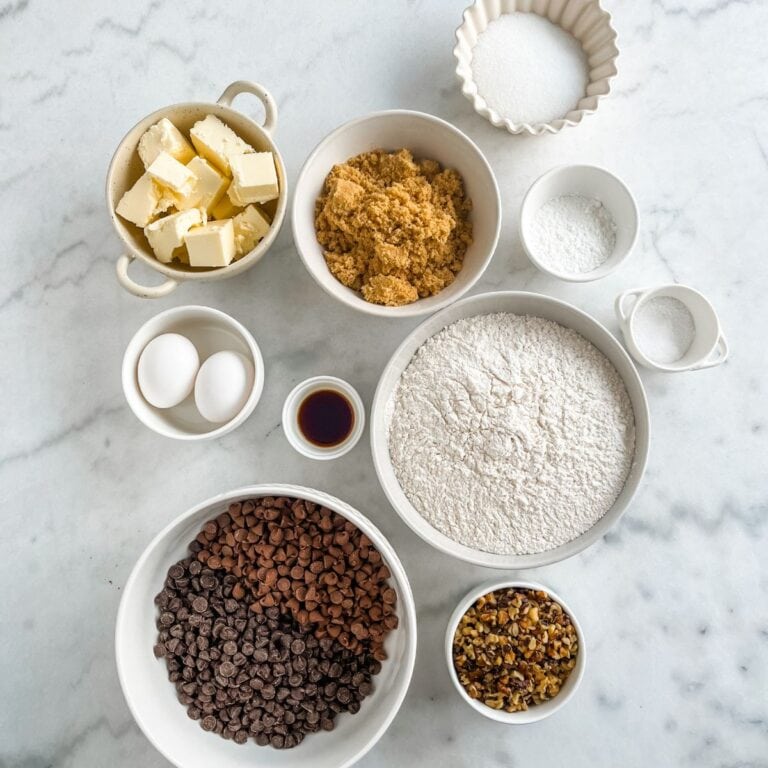
- Sugar Ratios: White sugar promotes spread, while brown sugar adds moisture and chewiness. I prefer using a mix of both, with slightly more brown sugar for stuffed cookies.
- Cornstarch for Structure: Cornstarch holds the cookie structure once you take them out of the oven. I like to use about 1 tablespoon of cornstarch per cup of flour.
- Leavening Agents: Baking soda is a strong leavening agent, which can make your cookie rise too much, too fast, ending up in a lot of spread. On the bright side, baking soda will help bring a much softer bite to the cookie (as opposed to a cakey texture). A mixture of baking soda and baking powder works best to give the maximum height without sacrificing the texture.
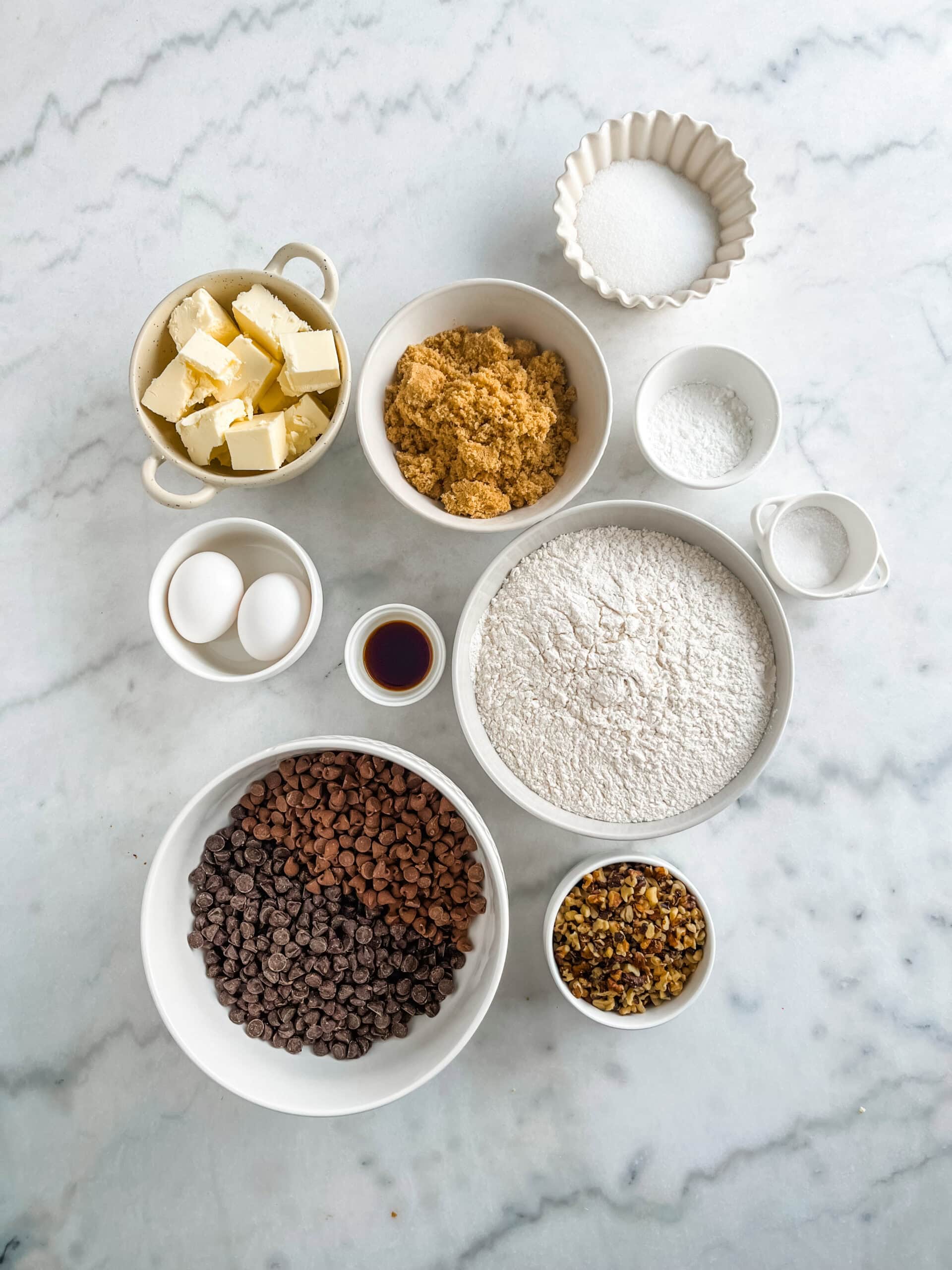
Step 2: Prepping the Filling
Your filling should be flavorful, stable, and complementary to the dough. Here are some of the best stuffed cookie fillings:
- Nutella or chocolate hazelnut spread (freeze before stuffing so it's easier to handle)
- Dulce de leche (use firm, not runny)
- Cream cheese filling (fully cooked for maximum stability and shelf-life)
- Biscoff butter
- Candy bars or mini treats like brownies or Oreos
Why Freezing Your Filling Works
Frozen fillings hold their shape longer in the oven, not to mention it's easy to handle. Without this step, the filling melts too quickly and seeps out.
If you're using runnier fillings like jams or curds, you can stuff the cookies without freezing the filling but then make sure to freeze the whole stuffed cookie prior to baking.
Step 3: Shaping and Assembling Stuffed Cookies
Now for the fun part-assembling the cookies!
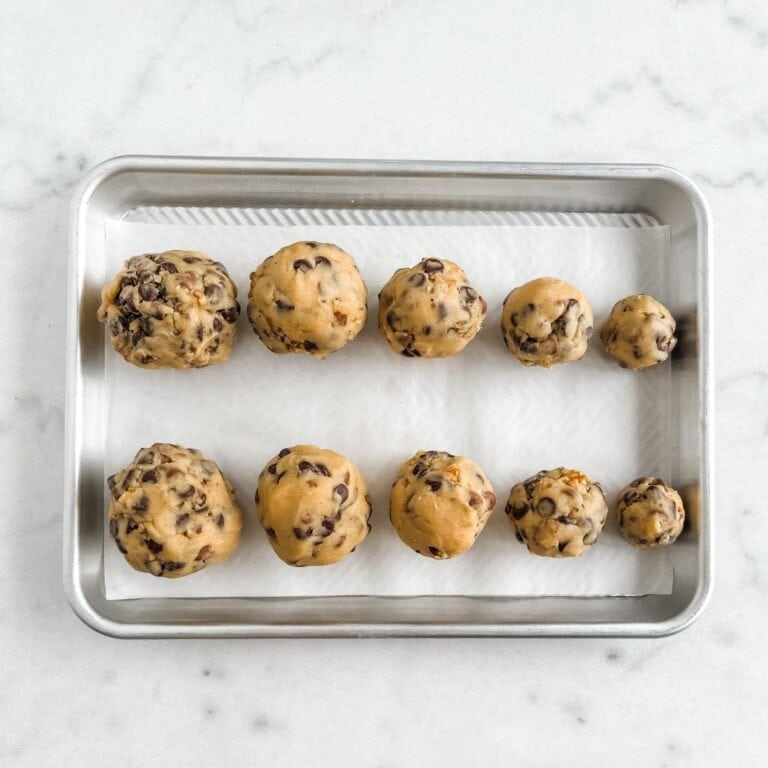
- Portion cookie dough (about 3oz/85g per cookie is my favorite sizing).
- Flatten slightly and place frozen filling in the center OR make a thick cup shape, scooping the filling in the middle.
- Seal the dough completely, pinching seams closed.
- Roll into a smooth ball or tall cylinder for even baking.
Step 4: Refrigeration (The Secret to Success)
When it comes to how to make stuffed cookies that don't leak, chilling is non-negotiable.
- Why Chill?
- Solidifies butter for less spreading.
- Improves dough hydration for better chew.
- Keeps filling firmly in place.
- How Long to Chill?
- Minimum: 1 hour
- Ideal: Overnight (up to 24 hours)
- Freezer: Up to 3 months (bake from frozen, add 1-2 mins baking time).
Step 5: Baking Stuffed Cookies
Baking stuffed cookies requires attention to detail:
- Oven Temperature: 375-400°F (190-200°C) for quick edge setting.
- Baking Surface: Use parchment paper, not silicone mats on stainless steel sheets.
- Spacing: Leave 3 inches between cookies.
- Bake Time: 10-14 minutes, until golden edges form. Bake longer if cookies are frozen.
- Cooling: Rest them for at least one hour before serving, so the core of the cookie has enough time to set.
Troubleshooting Stuffed Cookies
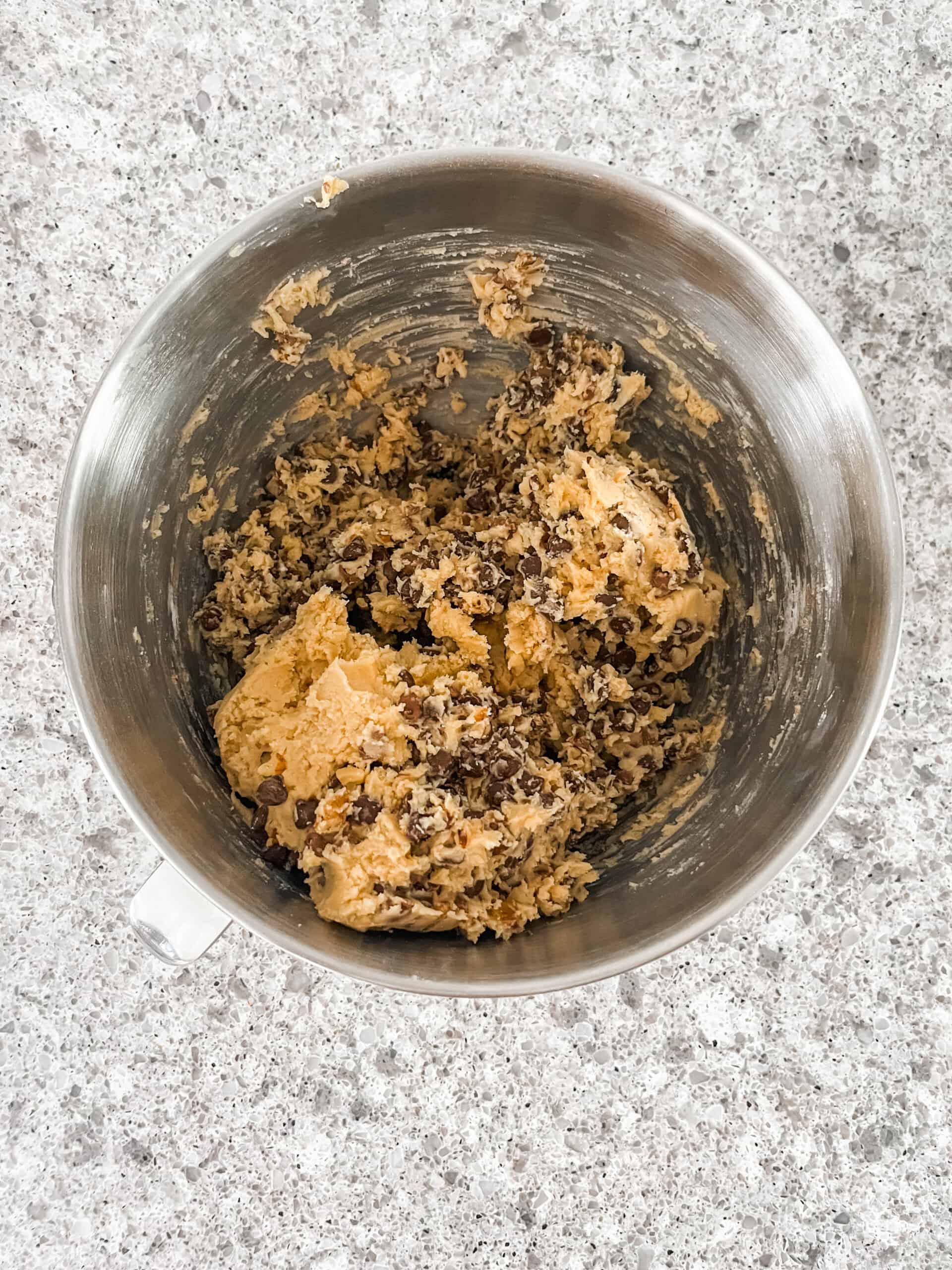
Even with practice, stuffed cookies can be tricky. Here are the most common problems:
- Filling Leaked Out: Filling wasn't frozen, dough wasn't sealed well or filling is too runny.
- Cookies Spread Too Much: Dough doesn't have enough structure or dough was too warm; chill longer or change your base recipe. Check my post about how to make thick cookies to learn how to keep them thick.
- Dry or Crumbly Dough: Too much flour; weigh ingredients for accuracy. Learn here why you need to weigh your ingredients.
- Sticky Dough: Not enough flour; add more until you get a playdoh-like consistency.
- Undercooked Centers: Cookies didn't rest properly after baking. Leave them to rest until they come fully to room temperature. If the centers are still undercooked, increase baking time or reduce the size of your cookies. Don't reduce the baking temperature.
Flavor Variations to Try
Once you've mastered how to make stuffed cookies, the possibilities are endless:
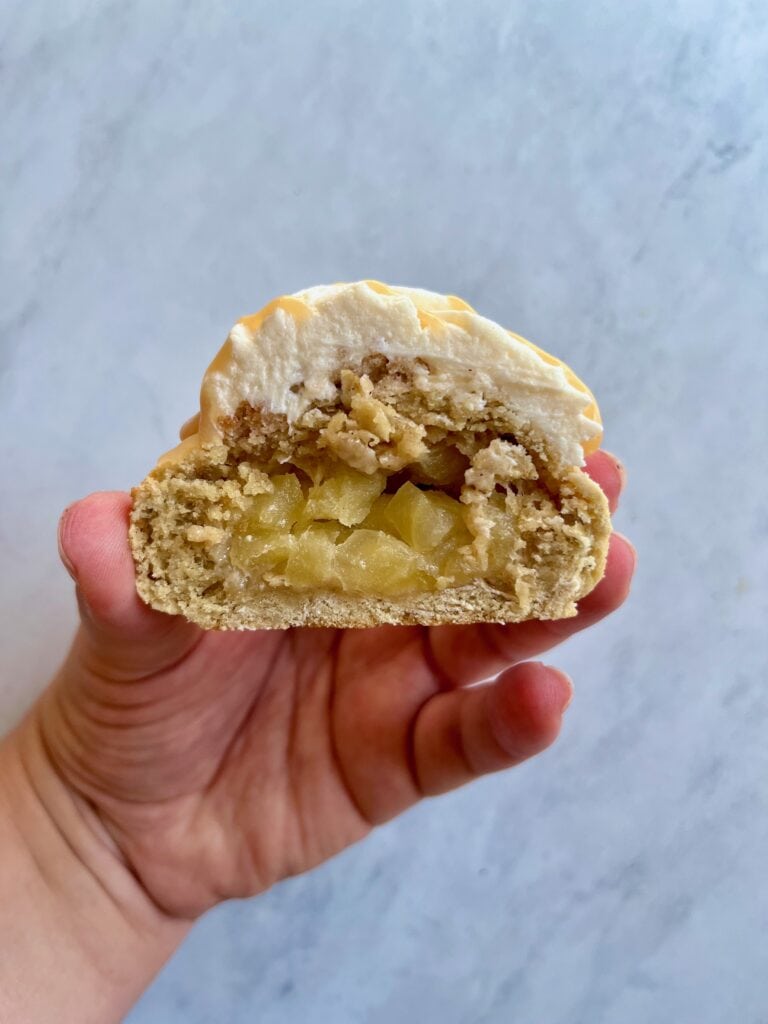
- Apple Crisp Cookies: Oatmeak dough + apple compote + crumbs + caramel frosting
- Churro Cookies: Cinnamon spiced dough + dulce de leche
- Lemon Cheesecake Cookies: Lemon dough + cream cheese creamy fudge
Stuffed cookies may seem like a complicated treat, but once you understand the techniques (choosing the right dough, freezing fillings, sealing properly, and chilling), you can master them at home with no issues.
If you're still having issues with your cookies spreading or bursting out of the cookie, make sure to check my post about how to make thick cookies to solve any remaining issue you may have.
Happy baking!