How to Make Thick Cookies
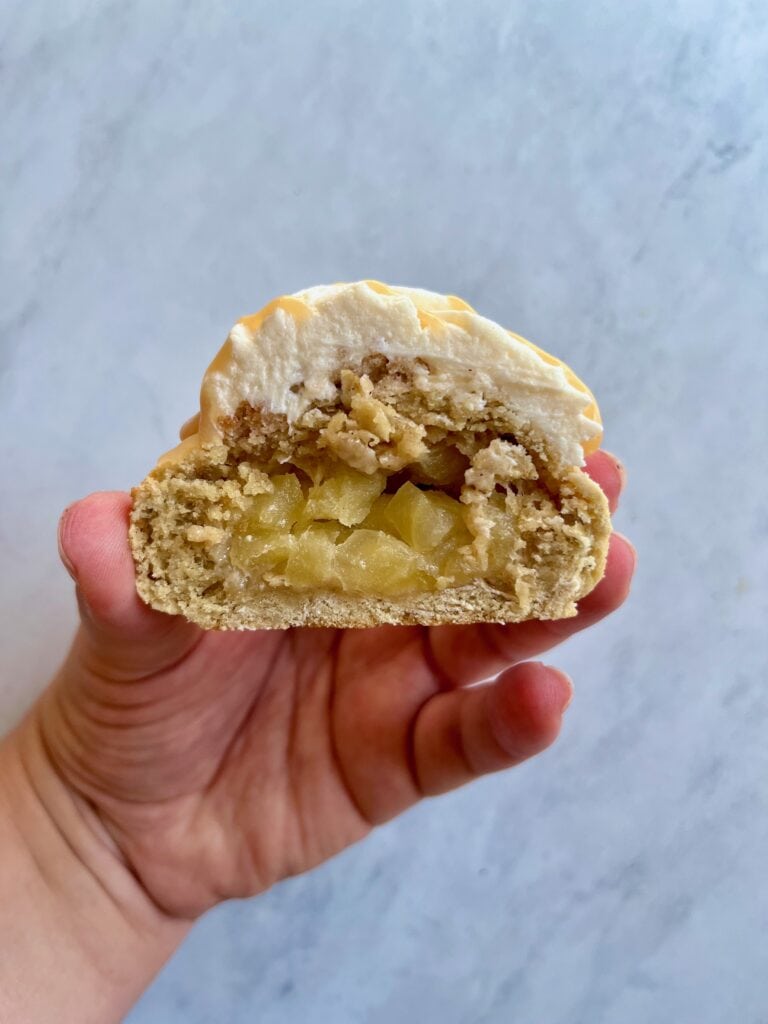
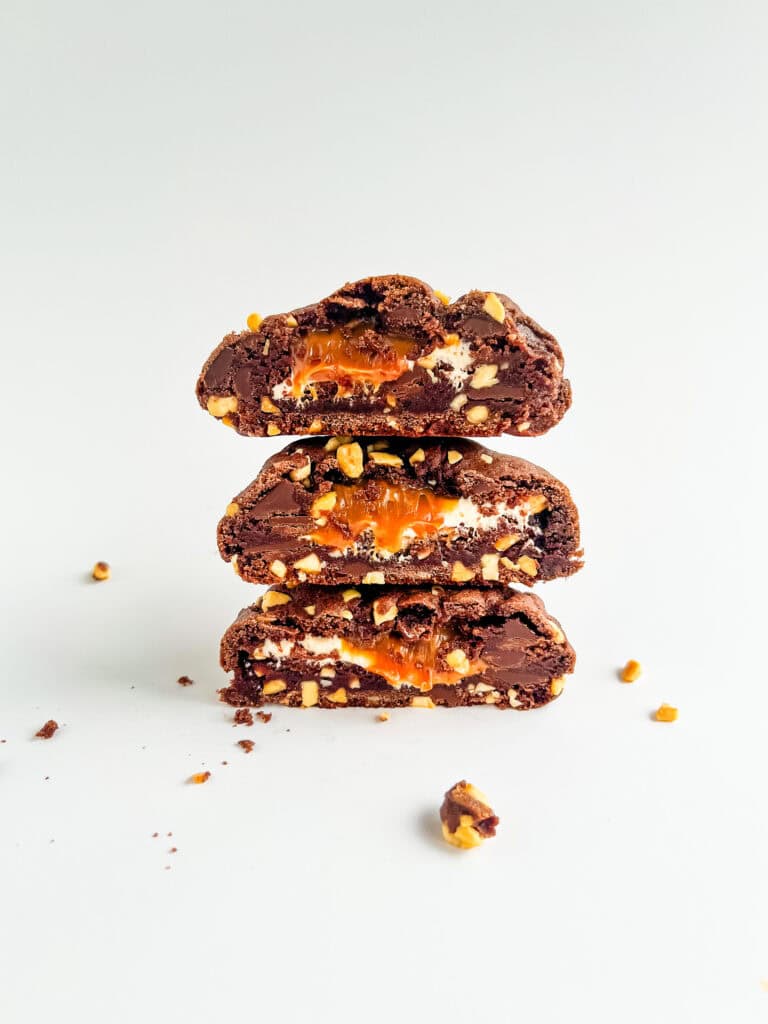
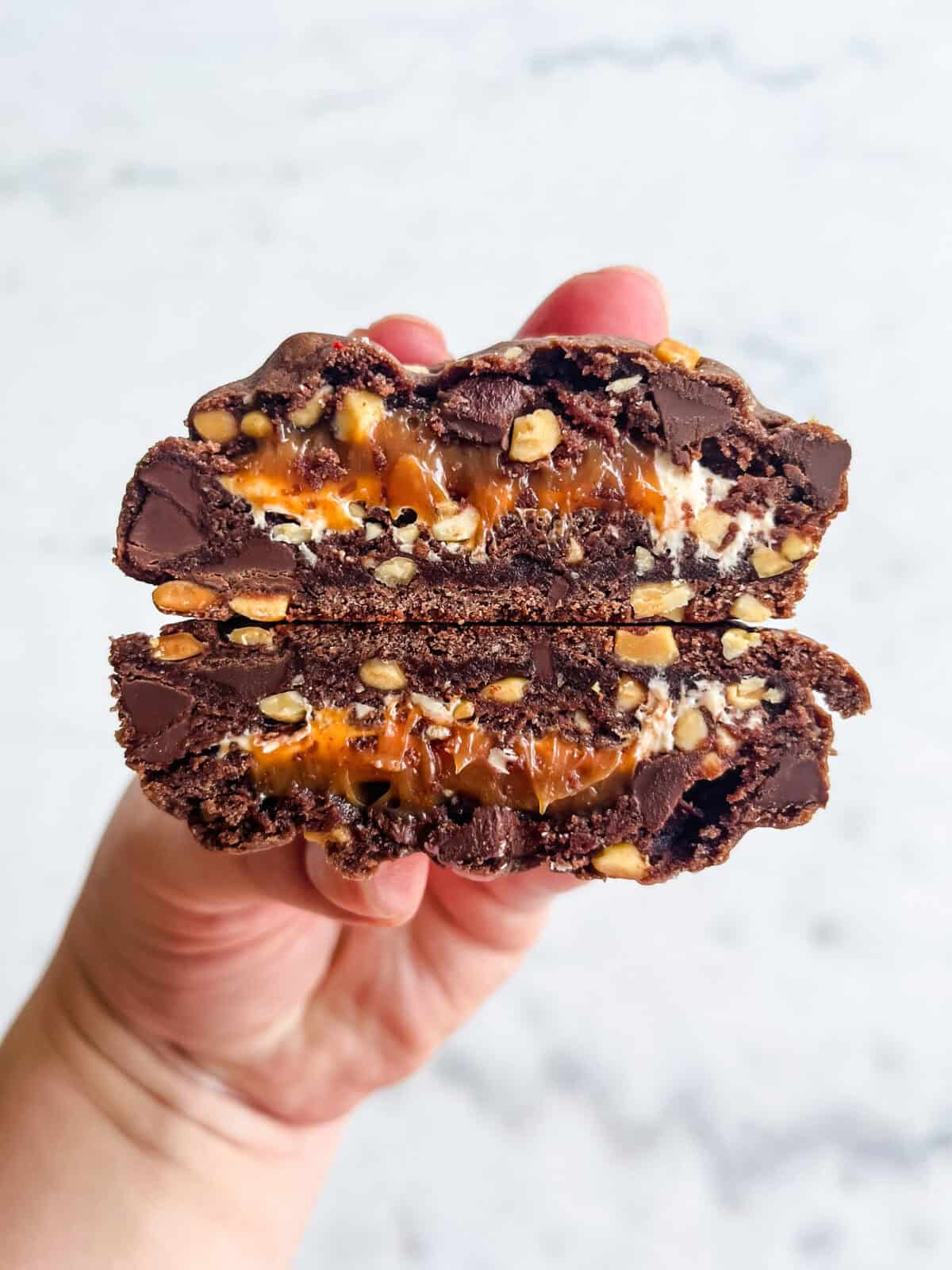
If you've ever baked a batch of cookies, only to watch them spread into thin, flat discs in the oven, you know the frustration. This can be especially disappointing when you're making stuffed cookies, as you want a tall, bakery-style cookie with room for gooey fillings and not a flat pancake.
But worry not my friend! If you have a recipe that you're sure can stay thick after baking, you probably just need a few strategic adjustments to can achieve cookies that bake up thick, tall, and sturdy enough for stuffing. In this guide, we'll break down exactly how to make thick cookies by covering the science of structure, dough adjustments, and baking techniques.
Why Do Cookies Spread Too Much?
First and foremost, not all cookie recipes are the same. Some cookies are not meant to be stuffed, and that's okay. You should start with a great base recipe that will work for stuffed cookies, and then make the necessary adjustments in case things are not going the way you want.
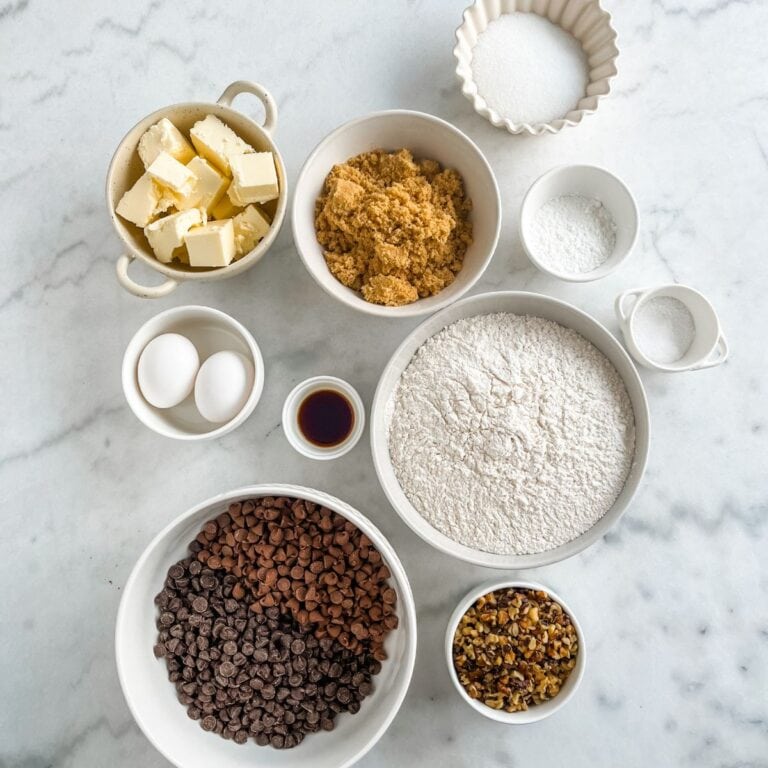
You should also use a scale to measure your ingredients, and I recommend as a great base recipe my Brown Butter Fudgy Chocolate Chip cookie recipe.
So now that we have the base laid out, let's understand the potential culprits. Cookies usually spread when:
- There isn't enough flour to provide structure.
- The dough hasn't been chilled.
- There's too much baking soda.
- The oven temperature is off.
Each of these factors can be adjusted to help you create a cookie that bakes upward instead of outward.
1. Chill or Refrigerate Your Dough
One of the most effective tricks for achieving thick cookies is refrigeration. Chilling solidifies the fat in the dough, so the cookies take longer to spread in the oven.
- Minimum time: 1 hour.
- Best results: Overnight (12-24 hours).
- Freezing option: Keep the shaped and stuffed cookie dough balls in the fridge until ready to bake, adding 2-3 minutes baking time at the end.
This not only improves thickness but also enhances flavor.
2. Use a Higher Ratio of Flour
Flour provides the framework of your cookie. If your dough feels sticky or loose, it probably needs more flour.
But be careful: too much flour can make cookies dry or cakey. You want just enough to give the dough strength without sacrificing the texture.
3. Add Cornstarch for Softness and Height
Cornstarch is a cookie's secret weapon. It makes them softer at the same time it helps cookies hold their shape.
This works especially well for stuffed cookies, where you need structure to hold the filling but softness to balance the bite.
4. Adjust Your Leavening Agents
Leavening plays a huge role in whether cookies spread or rise.
- Baking Soda: Very strong leavening agent that gets triggered in acidic environments (in cookie recipes, mostly from brown sugar). Needs to be added in small amounts to improve color and texture but too much of it will make the cookie collapse.
- Baking Powder: Works whether the dough is acidic or not, but it's less potent than pure baking soda. Will give the dough enough time to rise upwards and set in the oven while it's still baking.
My recommendation is to use a combination of both for best results. Baking soda for texture and baking soda for controlled rise.
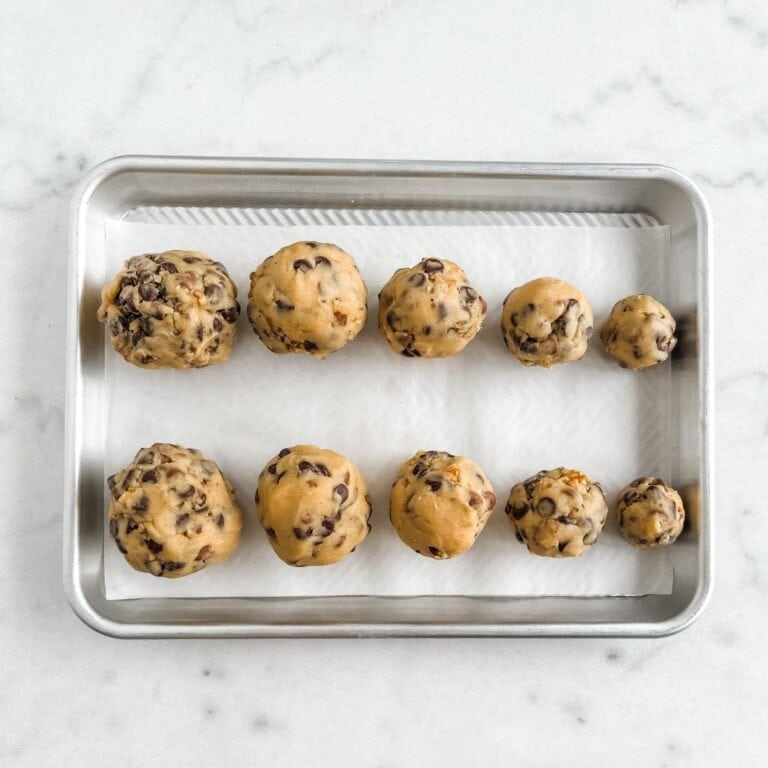
5. Shape Taller Dough Balls
This simple trick makes a big difference. Instead of rolling dough into perfectly round balls, shape them into taller mounds or cylinders.
- Why it works: Pure physics. More dough is stacked vertically, so the cookie has to bake upwards first.
- Extra tip: For stuffed cookies, make sure the filling sits in the middle, and seal the dough tightly to prevent leaks.
6. Bake at a Higher Temperature
Temperature control is another thing to keep in mind. A hotter oven (around 400°F / 200°C) sets the edges quickly, preventing excess spreading while allowing the centers to stay gooey.
- For thicker cookies: Bake at 400°F (instead of the usual 350°F).
- For extra insurance: Use a lined baking tray (parchment paper is best) that is made of stainless steel or aluminum, not coated/dark pans.
7. Use Cake Flour with All-Purpose Flour
For the thickest, chewiest cookies, substitute part of the all-purpose flour with cake flour (about 10-20% total).
- Why it works: Cake flour has less protein, which limits the amount of developed gluten for a more stable cookie.
- How to substitute cake flour: Mix 1 cup of cornstarch for every 7 cups of all-purpose flour (or any other combination of 1:7 ratio of cornstarch to all-purpose) and use that as cake flour if you're in a pinch. This substitution may not work in softer cake batters, but works great for cookies.
This creates a cookie that's chewy, tall, and perfect for stuffing.
8. Don’t Over-Cream the Butter and Sugar
While creaming is essential to incorporate the sugar properly into the dough, overdoing it also traps too many air bubbles, which can cause cookies to collapse after baking.
- Best practice: Cream butter and sugar for about 2-3 minutes, just until the butter is fully incorporated into the butter.
9. Use Cold Butter Cubes
Instead of fully softened butter, you can use chilled butter cubes when making cookie dough. This is not only convenient because you don't need to pull your butter in advance, but also contributes to a lower temperature when you're done with the dough, letting you bake your cookies straightaway.
If you're chilling your dough anyway or making a large batch ahead of time for freezing, using cold butter will not matter at the end as much (apart from convenience, of course!).
10. Rest the Dough Between Batches
If you're baking multiple trays, keep the dough chilled while the first batch bakes. Warm dough leads to flat cookies, so keep them cold if not baking straight away.
Bringing It All Together
To bake thick stuffed cookies that hold their shape, combine these strategies:
- Use a recipe that has the correct ingredient ratio for thickness.
- Chill your dough (ideally overnight).
- Add a touch of cornstarch for softness and height.
- Balance leavening with baking soda and baking powder.
- Shape dough taller and bake at a higher temperature.
- Consider using cake flour for stability and texture.
With these techniques, your stuffed cookies won't just taste incredible; they'll be as tall as they can possibly be!
Let me know if you have any questions here in the comments, I'm happy to answer all of them!
Happy baking! ❤️